
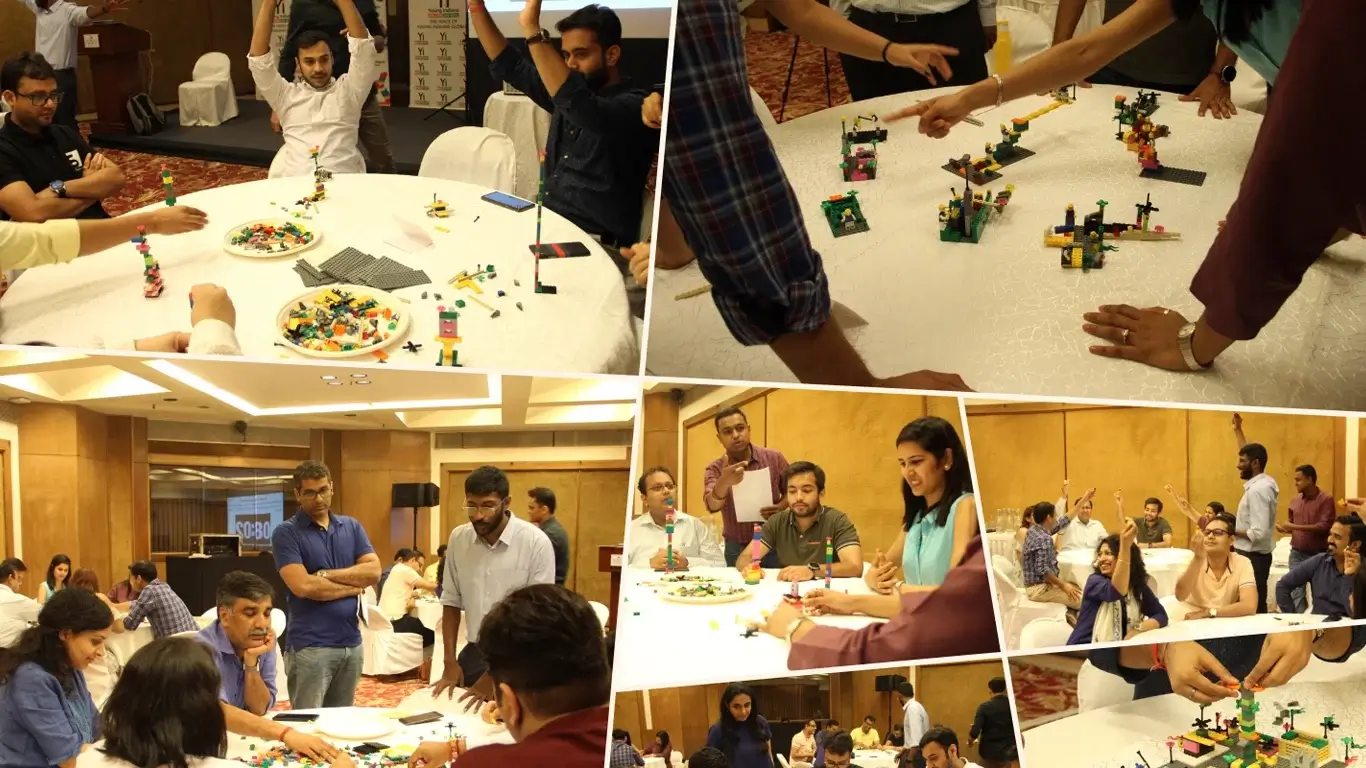
High-performing teams are the engine that drives enduring business success. Yet, enterprises still struggle to transform groups of skilled individuals into high-performance teams. It has been reported that around 21% of the employees worldwide are engaged at work, and India’s engagement sits notably higher than the international average, roughly 32%. Indian firms can significantly enhance their performance by focusing on team-based practices. This blog covers insights on team building workshops that work, making them create top-notch teams and their structure.
Key Factors Behind Effective High-Performance Team Workshops
Each team day is unique. The workshops that deliver the best outcomes share the following features:
1. Measurement and Clear Objective
Begin with a simple business aim (enhanced consumer experience, quick decision–making and fewer handoffs. Decide on the metrics you might track later on (engagement with survey scores, error rates, or task completion time). Firms that measure the engagement and act on it get to witness much stronger outcomes.
2. Practical Exercises and Not Just Games
You should include exercises that rehearse everyday skills, such as prioritization, shared problem solving, clarifying roles, and giving constructive feedback. Live simulations and short role-plays are excellent options because they replicate actual work.
3. Psychological Safety and Trust
Small trust exercises and encouraging conversations can help teams to speak up without any fear or hesitation. Studies on team development Showed enhanced collaboration and cohesion when interventions focus on how individuals interact, not only on tasks.
4. Manager Follow-Up and Coaching
Train the managers to hold short and periodic one-to-ones and team check-ins after the workshops. Experts claim that managers significantly contribute to team management discrepancies. For these reasons, it is important to coach your managers effectively.
5. Local Culture and Relevance
Yu must make the content relevant to the Indian workplace, such as using local illustrations, scenarios teams face in Bangaluru, Kolkata, Mumbai, or small cities, and language where it’s helpful. Regular context makes learning easier.
The Structure for Practical Workshop (Half Day to Full Day)
Here is a repeatable and simple agenda that is ideal for an offsite leadership training session:
- Opening (20 Minutes): State the reason, share 1 or 2 primary metrics, and set the ground rules for respectful conversation.
- Icebreaker with Reason (15 Minutes): A quick task that can reveal how the team interacts under a small pressure.
- Role Clarity Session (45 Minutes): Map handoffs and responsibilities with a straightforward chart. Identify one or two bottlenecks.
- Actual Work Simulation (60 Minutes): Run a case study or a project sprint. Pause midway to reflect on ownership, communication, and decisions.
- Skills Practice (45 Minutes): Split the team into small groups. Every group practice one skill at a time, such as deciding what work is essential, giving useful feedback and managing disagreements calmly. Then the groups switch.
- Action Planning (30 Minutes): Every individual needs to decide on one small behaviour or habit that they want to improve at work. As a team, decide on three proper actions and then verify the progress later.
- Manager Coaching Plans (15 minutes): Managers need to commit to weekly check-ins lasting 15 minutes for 4 weeks.
Tips for Workplaces
Effective team-building workshops go beyond engagement, they strengthen collaboration, trust, and performance. To maximize impact:
- Keep groups small (10 to 12 participants) to ensure meaningful participation.
- Use real business scenarios to drive relevance and practical learning.
- Combine short virtual modules with primarily on-site activities for hybrid teams.
- Measure success through clear KPIs such as retention, turnaround time, and quality outcomes.
When designed well, team building becomes a strategic driver of long-term performance.
How to Measure the Success After the Workshop?
To measure the success, you should observe the following steps over the next 6 to 12 weeks:
Step 1: Short Team Survey
After the experiential learning workshop, you should ask the team several questions to determine if they feel clear about their roles and are comfortable working with one another.
Step 2: One Work-Related Outcome
Identify a clear work outcome that aligns with the workshop objective, such as the speed at which you solve consumer problems.
Step 3: Manager Feedback
Take a look at how often managers met the team members one-on-one and whether the agreed-upon activities were actually done.
Conclusion
On-site team building can do much more than give employees a break from work. When it focuses on real skills like communication, trust, and teamwork and is supported by regular manager guidance and clear follow-up, it helps teams work better every day. CtrlX® designs team-building workshops that are hands-on, engaging, easy to understand and linked directly to real workplace challenges. CtrlX® assists managers in guiding their teams by tracking simple progress measures. We support Indian businesses in building strong, confident, and high-performing teams.